
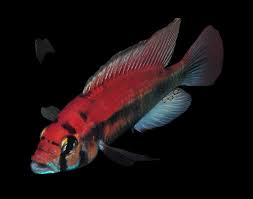
FLAMEBACK CICHLID (Haplochromis sp.)
$25.00
Full Description
Flameback Cichlid (Haplochromis sp.) – Species Description & Care Guide
Description
The Flameback Cichlid is a vibrant and active African cichlid originating from Lake Victoria and surrounding waterways. It’s known for the intense reddish-orange “flame” coloration that develops along the back and dorsal area of mature males. Females are typically more subdued in color, with softer earth tones and faint patterning.
This species stays relatively small for an African cichlid, making it a great choice for hobbyists who want the personality and color of Rift Lake fish without needing a very large aquarium. They are fast, energetic, and display interesting social behavior, especially during breeding.
Care Guide
Tank Size
-
Minimum: 40 gallons
-
Best kept in groups to spread out aggression and encourage natural behavior.
Temperament
-
Semi-aggressive, similar to other Victorian Haplochromis species.
-
Works well with other Lake Victoria cichlids and some peaceful Mbuna or Peacock types if the tank is roomy and well-structured.
Water Parameters
-
Temperature: 76–80°F (24–27°C)
-
pH: 7.5–8.2
-
Hardness: Medium to hard water preferred
These conditions help maintain their coloration and overall health.
Diet
Omnivorous with a strong preference for protein. A balanced diet is important to prevent digestive issues.
Recommended foods:
-
High-quality cichlid pellets
-
Frozen or live foods: brine shrimp, bloodworms, small krill
-
Occasional spirulina or vegetable-based foods
Tank Setup
-
Rocky aquascape with caves and hiding spots
-
Open swimming areas
-
Sand or fine gravel substrate
-
Good filtration and oxygenation — they appreciate clean, well-moving water
Compatibility
-
Best with other Victorian cichlids or similarly sized African cichlids
-
Avoid slow, timid species
-
Can be kept in small groups, but ensure enough space to manage territorial behavior
Behavior
-
Active swimmers
-
Males display bold colors, especially when establishing territory or courting
-
Can become territorial during breeding, so provide multiple hiding spots
Breeding
-
Maternal mouthbrooders
-
Females carry the eggs and fry in their mouths for several weeks
-
Provide smooth rocks or surfaces for spawning
1 in stock