
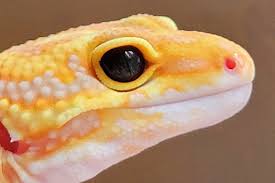
GECKO BLUE EYED AMBER (Eublepharis macularius)
$170.00
Full Description
Here’s a detailed care guide for the Blue-Eyed Amber Leopard Gecko (Eublepharis macularius), a rare and beautiful recessive eye morph prized for its stunning blue-amber translucent eyes that reveal their color and sparkle as they mature
✨ What Makes the Blue-Eyed Amber (BAE) Unique
-
Eye Gene: A recessive mutation distinct from Eclipse, Marble, or Noir‑Desir — only visible when homozygous zenhabitats.ca+4leopardgecko.com+4reptilemasters.com+4
-
Appearance: Hatchlings have dark eyes that gradually reveal blue edges around the pupil and amber tones with age leopardgecko.com
-
Genetics: Established around 2018; bred into various morph lines (Rainwater, Tremper, Bell) leopardgecko.com+1morphmarket.com+1
-
Health: BAE geckos show good conformation and vigor, with no known negative genetic effects leopardgecko.com+3leopardgecko.com+3morphmarket.com+3
Housing & Enclosure
Enclosure Size
-
Juveniles: ≥ 10–20 gal long tank
-
Adults: A 20–40 gal long or larger enclosure (~36×18 inches) is ideal morphmarket.com+15reddit.com+15scalecompanions.com+15
Substrate
-
✅ Use reptile carpet, slate/ceramic tile, or paper towels
-
✅ Advanced setups: 70/30 organic topsoil + calcium-free play sand with excavator clay petsmart.ca+3flukerfarms.com+3geckoadvice.com+3reddit.com+5reddit.com+5reddit.com+5
-
❌ Avoid loose calcium sand, wood chips, and harsh substrates
Hides
Provide at least three:
-
Warm hide over belly heat
-
Cool hide at opposite end
-
Humid hide with damp moss or paper towels
Decor & Layout
-
Natural-looking rocks, branches, low-light plants
-
Aim for a secure, low-light environment that highlights the BAE’s eye traits
️ Temperature & Humidity
-
Warm side: 88–92 °F (31–33 °C)
-
Cool side: 75–80 °F (24–27 °C)
-
Night: Shouldn’t drop below 68–70 °F flukerfarms.com+3scalecompanions.com+3petsmart.ca+3reddit.com+3reddit.com+3reddit.com+3reddit.com+4reddit.com+4petsmart.ca+4reddit.com+4reptilesbymack.com+4flukerfarms.com+4reddit.com+4leopardgecko.com+4reptilemasters.com+4flukerfarms.com+3geckoadvice.com+3reddit.com+3
-
Humidity: 30–40% ambient, 70–80% in humid hide
Heating
-
Best: overhead halogen/incandescent heat lamp on a dimming thermostat + linear UVB (5–7% T5 recommended) thesprucepets.com+11reddit.com+11reddit.com+11
-
Avoid heat rocks — stick to natural belly heat alternatives
Lighting & UVB
-
UVB: Optional, but recommended — helps ingest vitamin D3 and calcium absorption reddit.com+6happydragons.com+6reddit.com+6reddit.com+8scalecompanions.com+8happydragons.com+8
-
BAEs may be more light-sensitive (“light-sensitive geckos more prone to issues”), so include shaded areas reptilesbymack.com+2zenhabitats.ca+2petsmart.ca+2
-
Maintain a 12-hour light/dark cycle to support normal behavior
️ Diet & Supplements
Staple Feeders (Gut-Loaded + Supplemented)
-
Crickets
-
Dubia roaches
-
Black Soldier Fly larvae
-
Mealworms (moderate)
-
Superworms, Waxworms (infrequent treats)
Feeding Schedule
-
Juveniles: Feed daily
-
Adults: Every 2–3 days
Supplements
-
Calcium without D3: available at all times
-
Calcium with D3: 1–2× weekly
-
Multivitamin: 1× weekly
-
Always dust feeders before offering zenhabitats.ca+15flukerfarms.com+15thesprucepets.com+15reptilemasters.com+1reddit.com+1reptilesbymack.com
Tank Maintenance
-
Daily: Remove waste, refresh water
-
Weekly: Check humid hide moisture and clean dishes
-
Monthly: Deep clean tank or refresh substrate (skip if bioactive) thesprucepets.comthesprucepets.com+10zenhabitats.ca+10reddit.com+10
Health & Behavior Notes
-
Light sensitivity: BAEs have translucent eyes, so bright overhead lights—especially midday UVB—might cause stress or eye issues
-
Well-being signs: Active at dawn/dusk, healthy appetite, clear eyes, smooth shedding
-
Warning signs: Dropped weight, lethargy, retained shed (check humid hide regularly)
Handling Tips
-
Begin slow after new arrival — allow ~1–2 weeks to settle
-
Handle in the evening during baseline activity
-
Keep sessions brief (≈10 min) and use slow, secure movements
-
Fully support body; avoid handling during shed or immediately after feeding
✅ Quick Setup Checklist
-
✅ 20–40 gal long tank
-
✅ Overhead halogen/incandescent lamp + thermostat
-
✅ Linear 5–7% UVB (T5), shaded secure hide areas
-
✅ Substrate: tiles, carpet, or safe bioactive mix
-
✅ Three hides (warm/cool/humid)
-
✅ Diet: gut-loaded insects + dusting schedule
-
✅ Daily care + monthly deep clean
-
✅ Handle gently, in low light, for short periods