
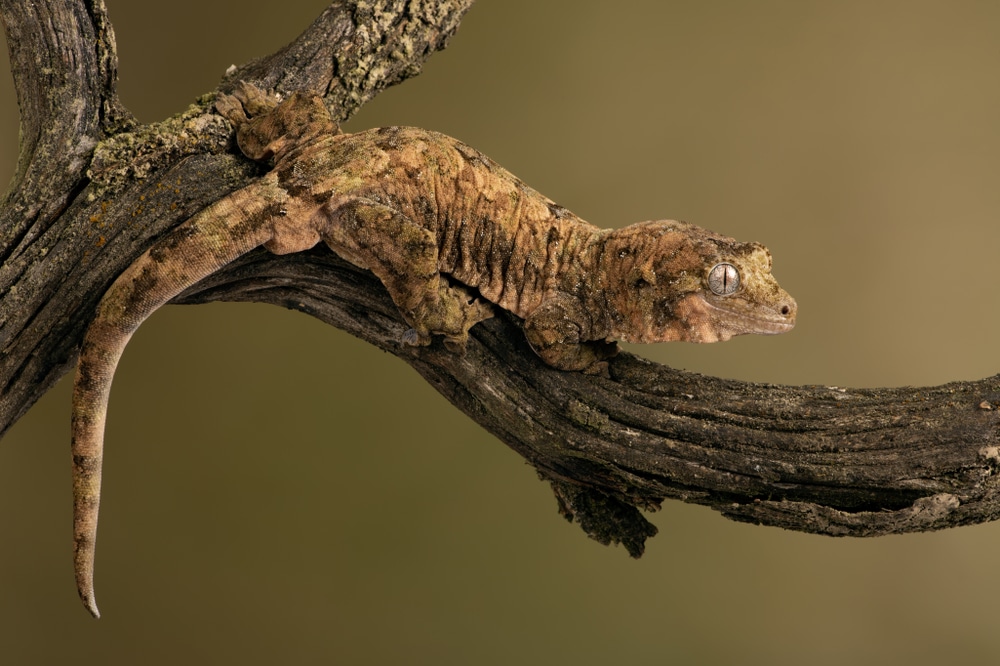
GECKO MAINLAND CHAHOUA

$400.00

Full Description

Here’s a comprehensive care guide for the Pink Tongue Skink (Cyclodomorphus gerrardii), a fascinating and often overlooked species of skink known for its pink tongue and docile temperament.


Pink Tongue Skink Care Guide

Quick Facts:

  • Scientific Name: Cyclodomorphus gerrardii

  • Lifespan: 15–20 years

  • Adult Size: 15–20 inches

  • Temperament: Generally docile and curious

  • Native Range: Eastern Australia


Enclosure

Size:

  • Minimum: 36″ x 18″ x 18″ (40-gallon tank)

  • Ideal: 4’x2’x2′ for adults

Substrate:

  • Coconut fiber, cypress mulch, or bioactive mix for humidity retention

  • Avoid sand or loose particulates that can cause impaction

Enclosure Type:

  • Horizontal space is more important than height

  • Secure lid (they’re good climbers)


️ Temperature & Humidity

Basking Spot:

  • Temperature: 90–95°F (32–35°C)

  • Use a basking lamp on a timer for 10–12 hours/day

Cool Side:

  • Temperature: 75–80°F (24–27°C)

Night Temp:

  • 70–75°F (21–24°C)

Humidity:

  • Ideal Range: 60–80%

  • Mist daily or use a humid hide

  • Monitor with a hygrometer


Lighting

  • UVB Lighting: Recommended but not absolutely necessary

    • Use a 5.0 UVB bulb or equivalent

  • Helps with calcium absorption and overall health


️ Diet

Pink tongue skinks are omnivores. Offer a varied diet including:

Protein:

  • Insects (crickets, roaches, mealworms)

  • Cooked lean meats

  • High-quality canned dog or cat food (sparingly)

  • Eggs (scrambled or hard-boiled)

Plant Matter:

  • Leafy greens (collards, mustard, dandelion)

  • Squash, carrots

  • Fruits like berries, mango, banana (in moderation)

Supplements:

  • Calcium with D3: 2–3x per week

  • Multivitamin: 1x per week


Enclosure Maintenance

  • Spot clean daily

  • Full substrate change every 4–6 weeks

  • Disinfect enclosure with reptile-safe cleaner


Handling & Temperament

  • Naturally calm but shy

  • Handle gently and support their body

  • Start with short sessions to build trust


Health & Shedding

Common Issues:

  • Respiratory infections (linked to poor humidity)

  • Mouth rot

  • Mites

  • Shedding problems

Provide a moist hide and maintain humidity to aid shedding. Always consult a reptile vet if health concerns arise.


Breeding

  • Live-bearers, unlike blue tongues (which lay eggs)

  • Gestation: ~100 days

  • Litter size: 5–15 babies

  • Best left to experienced keepers due to space and care needs


✅ Supplies Checklist

  • Proper-sized enclosure with secure lid

  • Heat lamp & thermostat

  • UVB light (optional but ideal)

  • Hygrometer & thermometer

  • Hides (cool and warm side)

  • Moist hide

  • Water dish

  • Climbing branches, décor

  • Insect tongs, food/water dishes

  • Calcium & vitamin supplements


If you’re looking for a lesser-known alternative to the blue tongue skink, the pink tongue skink is a hardy and rewarding pet with similar care needs but a unique look and viviparous breeding behavior.

Let me know if you’d like a printable care sheet or help setting up an enclosure!

You said:
SMOOTH KNOB-TAILED GECKO CARE GUIDE
ChatGPT said:

Here’s a detailed care guide for the Smooth Knob-Tailed Gecko (Nephrurus levis)—a fascinating, small Australian desert gecko with a distinctive “knob” at the end of its tail and charming, bold personality.


Smooth Knob-Tailed Gecko Care Guide

Quick Facts:

  • Scientific Name: Nephrurus levis

  • Lifespan: 10–15 years in captivity

  • Adult Size: 4–5.5 inches

  • Temperament: Bold, vocal, and handleable with care

  • Native Range: Arid and semi-arid regions of Australia


Enclosure

Size:

  • Single adult: 10–20 gallon long tank (minimum 18″x12″x12″)

  • Pairs: 20–30 gallon (monitor carefully—females may cohabitate; males must be housed separately)

Enclosure Type:

  • Terrestrial; prioritize floor space over height

  • Secure lid (though they’re not great climbers)


️ Temperature & Heating

Basking Spot:

  • 92–95°F (33–35°C) on the warm side

  • Use under-tank heating pad with thermostat or heat lamp

Cool Side:

  • 75–80°F (24–27°C)

Night Temp:

  • Can drop to 68–72°F (20–22°C)

Lighting:

  • No UVB required, but a low-output UVB (2.0 or 5.0) is optional and may promote natural behavior

  • Provide a consistent light cycle (12 hours on/off)


Substrate & Decor

Recommended Substrate:

  • Clay/sand mix (excavator clay, red desert blend)

  • Mimics natural habitat and supports burrowing

Avoid:

  • Loose dry sand alone (impaction risk)

  • Calci-sand

Enclosure Decor:

  • Hides (one on warm side, one on cool side)

  • Rocks, cork bark, fake or real desert-safe plants

  • Moist hide with damp sphagnum moss or paper towel


Humidity & Water

  • Humidity: Low (30–40%)

  • Provide a moist hide to aid shedding

  • Water Dish: Shallow, fresh water available at all times


️ Diet

These geckos are insectivores.

Staple Feeders:

  • Crickets

  • Dubia roaches

  • Black soldier fly larvae

Occasional Treats:

  • Mealworms or waxworms (high in fat)

  • Small hornworms

Feeding Schedule:

  • Juveniles: Daily

  • Adults: 3–4x per week

Supplements:

  • Calcium with D3: 2x/week

  • Multivitamin: 1x/week

  • Lightly dust feeders—do not over-supplement


Maintenance

  • Spot clean feces and uneaten insects daily

  • Replace substrate every 1–2 months (or more often if soiled)

  • Disinfect hides and water dishes weekly


Handling & Temperament

  • Usually bold and curious, but may vocalize or tail-wag when stressed

  • Can be handled gently and infrequently once acclimated

  • Never grab by the tail—it can drop, though it will regrow


Health Issues to Watch For

  • Shedding issues: Provide a moist hide

  • Impaction: Avoid loose sand; feed appropriate-size insects

  • Dehydration: Check for wrinkled skin or lethargy

  • Parasites: Get fecals checked by a vet if wild-caught or symptomatic


✅ Supplies Checklist

  • 10–20 gallon tank with secure lid

  • Heat mat or ceramic heater + thermostat

  • Digital thermometer + humidity gauge

  • Clay/sand mix substrate

  • 2–3 hides (cool, warm, and moist)

  • Shallow water dish

  • Feeding tongs

  • Dusting supplements (calcium, multivitamin)

  • Insect feeders