
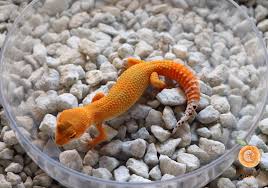
GECKO PUMPKIN (Eublepharis macularius)
$300.00
Full Description
Here’s a complete care guide for the Pumpkin Leopard Gecko (Eublepharis macularius), a selectively bred morph known for its vibrant orange coloration—often falling under the Tangerine morph group. “Pumpkin” is typically a designer or line-bred name, not a formally standardized morph, and it may originate from lines like Mandarin, Blood Tangerine, or Electric.
Pumpkin Leopard Gecko Care Guide
Morph Overview
| Trait | Description |
|---|---|
| Common Name | Pumpkin Leopard Gecko |
| Scientific Name | Eublepharis macularius |
| Morph Type | Designer Tangerine (line-bred) |
| Appearance | Bright to deep orange with minimal black spotting or bold patterning; may have carrot-tail features |
| Experience Level | Beginner-friendly |
Size & Lifespan
| Trait | Range |
|---|---|
| Adult Length | 7–10 inches (18–25 cm) |
| Adult Weight | 50–80 grams |
| Lifespan | 15–20+ years in captivity |
Enclosure Requirements
Minimum Tank Size
| Gecko Stage | Tank Size |
|---|---|
| Juvenile | 10–20 gallons |
| Adult | 20–40 gallons (horizontal) |
Substrate Options
| ✅ Safe | ❌ Avoid |
|---|---|
| Paper towels | Loose sand |
| Slate/ceramic tile | Calcium sand |
| Reptile carpet | Bark, coconut husk, gravel |
| Bioactive (advanced keepers) | Anything that can mold or cause impaction |
️ Temperature & Humidity
| Area | Temp (°F) | Temp (°C) |
|---|---|---|
| Warm Side | 88–92°F | 31–33°C |
| Cool Side | 75–80°F | 24–27°C |
| Night | 68–72°F | 20–22°C |
| Humidity | 30–40% ambient, 70–80% in humid hide |
✅ Under-tank heater (UTH) with a thermostat
✅ Temperature gun or digital probe to monitor surface temps
❌ Avoid heat rocks or overhead ceramic heat emitters unless well-regulated
Lighting
-
UVB is optional (a 5–6% linear bulb like Arcadia ShadeDweller is ideal)
-
Use a 12-hour day/night light cycle
-
Avoid intense direct lighting, as geckos are crepuscular/nocturnal
-
Low-light ambient setups can enhance orange coloration
️ Enclosure Decor
Provide at least three hides:
-
Warm Hide (placed over UTH)
-
Cool Hide (on the cool side of tank)
-
Humid Hide (for shedding, filled with moist sphagnum moss or coco fiber)
Also consider:
-
Climbing decor (branches, rocks)
-
Artificial plants for cover
-
Basking tile area
Feeding & Supplements
Staple Insects
-
Dubia roaches
-
Crickets
-
Mealworms
-
Black Soldier Fly Larvae (BSFL)
Treats (occasionally)
-
Superworms
-
Waxworms (very fatty)
Feeding Schedule
| Age | Frequency |
|---|---|
| Juvenile | Daily |
| Adult | Every 2–3 days |
Supplementation
| Supplement | Frequency |
|---|---|
| Calcium (no D3) | Always available |
| Calcium + D3 | 1–2× per week |
| Multivitamin | 1× per week |
Gut-load insects 24 hours before feeding for best nutrition.
Maintenance
| Task | Frequency |
|---|---|
| Spot cleaning | Daily |
| Water dish | Refresh daily |
| Humid hide | Check 2–3× weekly |
| Full substrate clean | Monthly or as needed |
Morph-Specific Considerations
| Factor | Notes |
|---|---|
| Color enhancement | Warm basking temps and low-stress help maintain orange hue |
| Line origin | Check with breeder (Pumpkin may derive from Mandarin, Blood, Electric, or Tornado lines) |
| Light sensitivity | Generally low; typical of tangerine morphs |
| Health issues | No morph-related defects reported |
| Shedding | Vibrant morphs may shed more frequently when growing fast |
Handling Tips
-
Handle 1–2 weeks after acclimation
-
Begin with 5–10 minute sessions
-
Handle during evening when most active
-
Avoid handling when shedding
-
Support entire body, never grab by tail
✅ Quick Reference Chart
| Care Aspect | Recommendation |
|---|---|
| Tank Size | 20–40 gallons horizontal |
| Substrate | Tile, paper towels, or bioactive |
| Heating | 88–92°F hotspot with thermostat |
| Lighting | UVB optional; low ambient preferred |
| Humidity | 30–40% ambient, 70–80% in moist hide |
| Diet | Gut-loaded insects with supplements |
| Handling | Calm, gentle, 5–10 mins at dusk/evening |