Isopod Laevis Assorted
$28.00
Full Description
Porcellio laevis (Dairy Cow Isopods) Care Guide
Overview
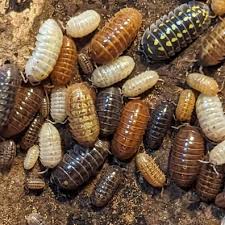
Porcellio laevis, commonly known as Dairy Cow Isopods, are large, hardy, and active detritivores. They’re named for their black-and-white “cow-like” pattern. Native to Europe but now kept worldwide, they thrive in many climates and are one of the most popular isopods for bioactive terrariums.
They’re excellent for reptile and amphibian enclosures because they help maintain a clean, balanced ecosystem while providing occasional nutritional value to some species.
Quick Facts
-
Scientific Name: Porcellio laevis
-
Common Name: Dairy Cow Isopod
-
Size: 1.2–2 cm (0.5–0.8 in)
-
Lifespan: 2–3 years
-
Breeding: Prolific; reproduce year-round in the right conditions
-
Habitat Role: Detritivore (feeds on decaying matter, organic debris, and waste)
Culture Setup
| Requirement | Recommendation |
|---|---|
| Container | Plastic tub, terrarium, or glass tank with a secure lid |
| Substrate | 2–3 inches of organic topsoil, coco fiber, and leaf litter mix |
| Hides | Cork bark, egg cartons, or rotting wood pieces |
| Humidity | 60–70% in moist areas; keep one side drier for microclimate variety |
| Temperature | 70–80°F (21–27°C) for optimal breeding |
| Ventilation | Good airflow with fine mesh vents to prevent mold buildup |
Diet
Dairy Cow isopods are omnivorous scavengers that eat:
-
Leaf litter (oak, magnolia leaves are ideal)
-
Decaying wood
-
Vegetables (zucchini, carrots, squash)
-
High-quality fish food or shrimp pellets
-
Cuttlebone or eggshells (calcium source for exoskeleton health)
Tip: Always keep a calcium source in the enclosure — essential for molting and breeding.
Breeding
-
Females carry eggs in a brood pouch for ~4–6 weeks before releasing fully formed juveniles
-
With proper humidity and food, colonies grow quickly
-
Separate part of the culture to “rest” if you want a backup population
Why They’re Great for Reptile & Amphibian Enclosures
Isopods play a crucial role in bioactive setups and overall habitat health:
1️⃣ Waste Management
They eat feces, shed skin, leftover food, and plant debris, preventing harmful waste buildup.
2️⃣ Soil Health
Their movement aerates the soil, preventing compaction and promoting plant root health.
3️⃣ Nutrient Cycling
By breaking down organic matter, they return nutrients to the substrate, feeding plants and microfauna.
4️⃣ Mold & Fungus Control
They consume mold and help keep fungal growth under control.
5️⃣ Supplemental Food Source
Smaller reptiles, amphibians, and invertebrates (such as dart frogs, small geckos, and tarantulas) may occasionally eat isopods, adding a nutritious snack to their diet.
✅ Best Uses
-
Crested gecko and gargoyle gecko bioactive setups
-
Dart frog and tree frog vivariums
-
Salamander and newt enclosures
-
Any reptile/amphibian setup with live plants and natural substrate
Final Note:
Porcellio laevis are large, easy to keep, and highly effective at keeping enclosures clean and balanced. With their striking “dairy cow” pattern and active behavior, they’re both functional and fun to watch, making them a favorite for bioactive enthusiasts.