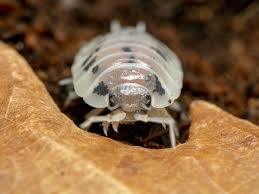
Isopod Laevis Dairy Cow (QTY 12)
$28.00
Full Description
Dairy Cow Isopod (Porcellio laevis) Care Guide
Overview
The Dairy Cow Isopod (Porcellio laevis), named for its black-and-white spotted pattern, is a popular isopod species for bioactive terrariums. These isopods are larger, fast-moving, and very active, making them both useful clean-up crew members and fun to watch. They are hardy, easy to care for, and breed readily in captivity.
-
Scientific Name: Porcellio laevis
-
Common Name: Dairy Cow Isopod
-
Origin: Europe, now established worldwide in captivity
-
Adult Size: ~1.5–2 cm
-
Lifespan: 1–2 years (breeds continuously in captivity)
-
Temperament: Social, colony-dwelling
Enclosure Requirements
-
Container Size: A small plastic bin, terrarium, or glass enclosure with a secure lid works well. Ventilation is important—use fine mesh or drill small holes for airflow.
-
Substrate: 2–4 inches of a moist, bioactive mix (coconut fiber, organic soil, and leaf litter). Add sphagnum moss for extra moisture retention.
-
Hides & Decor: Provide cork bark, pieces of wood, and leaf litter for cover. Dairy Cow isopods enjoy hiding in groups under surfaces.
-
Temperature: 70–80°F (21–27°C) is ideal. Room temperature is usually fine.
-
Humidity: Maintain moderate humidity (60–70%) by misting lightly 2–3 times a week. Always keep one side of the enclosure moist and the other side drier so they can self-regulate.
Diet
Dairy Cow Isopods are detritivores, feeding on decaying matter and supplemental foods.
-
Staple Foods: Decaying leaves, rotting wood, and bioactive substrate.
-
Supplemental Foods: Vegetables (carrot, zucchini, squash), fish flakes, or reptile pellets.
-
Calcium Source: Provide cuttlebone, crushed eggshells, or calcium powder to support healthy exoskeleton growth.
Behavior & Breeding
-
Very active and easy to observe compared to some smaller isopods.
-
Breed quickly in captivity, forming large colonies.
-
Peaceful and communal, thriving in groups.
Benefits in Terrariums
Dairy Cow Isopods are a popular choice for bioactive reptile and amphibian enclosures because they:
-
Act as a clean-up crew: They consume leftover food, shed skin, feces, and decaying plant matter, reducing waste and odor.
-
Enrich the soil: Their constant burrowing and feeding aerate the substrate and recycle nutrients, supporting healthy plant growth.
-
Provide supplemental food: In some enclosures, small reptiles, amphibians, or invertebrates may eat them as a natural food source.
-
Help maintain balance: By breaking down waste and organic matter, they support the bioactive ecosystem and reduce the need for frequent cleaning.
✅ Summary:
The Dairy Cow Isopod (Porcellio laevis) is a hardy, fast-breeding species perfect for bioactive terrariums. Easy to care for and beneficial as a clean-up crew, they improve soil health, recycle nutrients, and keep enclosures clean while adding natural activity to your setup.