
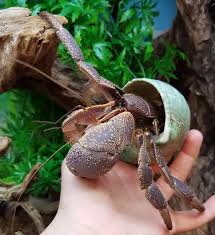
LAND HERMIT CRAB INDONESIAN (Coenobita Brevimanus)
$22.00
Full Description
Indonesian Land Hermit Crab (Coenobita brevimanus) Care Guide
Overview
The Indonesian Land Hermit Crab, also called the Indo Hermit Crab, is one of the larger and hardier hermit crab species commonly kept as pets. Known for their strong claws, tough exoskeleton, and impressive size, they make fascinating pets that can live for many years with proper care. These crabs are social, nocturnal creatures that thrive in groups and enjoy climbing, digging, and exploring.
-
Scientific Name: Coenobita brevimanus
-
Common Names: Indonesian Hermit Crab, Indo Hermit Crab
-
Origin: Indonesia and surrounding Indo-Pacific islands
-
Adult Size: 4–6 inches (10–15 cm), among the largest pet hermits
-
Lifespan: 10–15 years, sometimes longer in captivity
-
Temperament: Social, active, nocturnal
Enclosure Requirements
-
Tank Size:
-
Minimum 20 gallons for a small group (3–4 crabs).
-
Larger tanks (40+ gallons) recommended as they grow, since Indo hermits can reach a very large size.
-
-
Substrate: A mix of moist sand and coconut fiber, at least 6–8 inches deep, to allow for burrowing and molting. Depth is essential for their survival.
-
Temperature:
-
Day: 75–85°F (24–29°C)
-
Night: 72–78°F (22–25°C)
-
Use an under-tank heater or ceramic heat emitter if needed.
-
-
Humidity: 70–85% (critical for breathing through modified gills). Use misting and a lid that retains humidity.
-
Lighting: Provide a natural day/night cycle. Full-spectrum lighting (12-hour cycle) can help regulate behavior.
-
Decor: Branches, cork bark, climbing structures, and hides will encourage natural activity.
Water & Pools
Hermit crabs need access to both freshwater and saltwater at all times:
-
Freshwater: Dechlorinated tap or bottled water.
-
Saltwater: Marine-grade aquarium salt mix (never table salt) mixed with dechlorinated water.
-
Pools: Shallow dishes large enough for the crabs to climb into, with ramps or shells for easy access. Deep enough for full submersion but safe to prevent drowning.
Diet
Indonesian Hermit Crabs are omnivorous scavengers that thrive on a varied diet.
-
Staple Foods:
-
Commercial hermit crab pellets (high-quality, preservative-free)
-
Fresh fruits (apple, banana, mango, papaya)
-
Vegetables (carrot, kale, spinach, zucchini)
-
-
Protein Sources: Boiled eggs, chicken, fish, shrimp, dried insects (mealworms, crickets).
-
Calcium Sources: Crushed cuttlebone, oyster shell, coral sand – vital for exoskeleton health.
-
Feeding Frequency: Replace food daily; remove leftovers to avoid mold.
Behavior & Social Needs
-
Social Animals: Must be kept in groups of at least 2–3; they become stressed and may die if kept alone.
-
Active at Night: Most activity occurs after dark, including climbing, digging, and shell-hunting.
-
Shells: Provide a wide selection of spare shells in various shapes and sizes. Shells with round openings are often preferred by C. brevimanus.
Molting
-
Hermit crabs grow by molting (shedding their exoskeleton).
-
During a molt, they will bury themselves for weeks or even months. Do not disturb them during this process.
-
A deep, moist substrate is critical for safe molting.
Handling
-
Can be handled gently, but always with care. Indo hermits have very strong claws and may pinch if threatened.
-
Wash hands before and after handling to protect both you and the crab.
-
Limit handling time to reduce stress.
Special Notes
-
Indo hermits grow very large, so plan for upgrades as they mature.
-
Maintaining proper humidity is the most important part of care—without it, they cannot breathe properly.
-
Provide a variety of enrichment items (wood, shells, climbing structures) to encourage natural behavior.
✅ Summary:
The Indonesian Land Hermit Crab (Coenobita brevimanus) is a large, social species that thrives in a warm, humid, and spacious environment. With access to deep substrate for molting, both fresh and saltwater pools, a varied diet, and plenty of shells, these hardy crabs can live over a decade in captivity and provide endless fascination with their unique behaviors.