
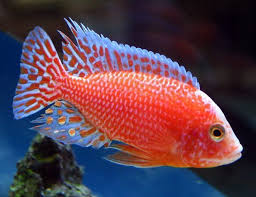
PINK PEACOCK (Aulonocara nyassae)
$35.00
Full Description
Pink Peacock Cichlid (Aulonocara nyassae) – Product Description
The Pink Peacock Cichlid is a stunning and increasingly popular variant of the Aulonocara nyassae, prized for its soft pink coloration and graceful movement. Originating from Lake Malawi, these peaceful “peacock” cichlids are known for their vibrant colors, inquisitive personalities, and compatibility with many other Malawi species.
This fish is an excellent choice for hobbyists who want a colorful, eye-catching centerpiece without the aggressive behavior common in many African cichlids. With proper care, Pink Peacocks develop rich hues, elegant finnage, and an interactive presence in the aquarium.
Care Guide
Origin
-
Lake Malawi, Africa
-
Species: Aulonocara nyassae (Peacock Cichlid)
Temperament
-
Peaceful to mildly territorial
-
Generally compatible with other Peacocks, Haps, and similar-sized Malawi cichlids
Adult Size
-
4–6 inches (10–15 cm)
Minimum Tank Size
-
55 gallons for a small group
-
Larger tanks (75–90 gallons) preferred for mixed Malawi communities
Water Parameters
-
Temperature: 76–82°F (24–28°C)
-
pH: 7.8–8.6
-
Hardness: Medium to hard water
-
Environment: Clean, well-filtered water with strong oxygenation
Diet
-
Omnivore / micro-predator
-
High-quality cichlid pellets
-
Frozen or live foods (brine shrimp, mysis, daphnia)
-
Occasional spirulina or veggie-based foods
-
Avoid overly fatty foods (e.g., tubifex, beef heart) to prevent digestive issues
Tank Setup
-
Sandy substrate (they like to sift through sand)
-
Rock structures and caves for hiding and territories
-
Open swimming space
-
Moderate water flow
-
Bright lighting enhances their coloration
Behavior & Compatibility
-
Great for peaceful Malawi setups
-
Best kept in groups of 1 male to 3–4 females
-
Avoid mixing with highly aggressive Mbuna
-
Works well with other similarly sized Peacocks and Haps
Breeding
-
Maternal mouthbrooders
-
Females hold eggs in their mouth for ~3 weeks
-
Provide flat stones or open sand areas for courtship
Lifespan
-
6–10 years with proper care
2 in stock