
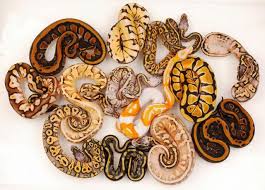
PYTHON BALL PASTEL ASSORTED (Python regius)
$215.00
Full Description
Pastel Ball Python (Python regius) Care Guide
Overview
The Pastel Ball Python is a popular color morph of the Ball Python (Python regius), one of the most commonly kept snakes in the reptile hobby. Known for its gentle temperament and striking yellow/gold coloration, the Pastel morph is a favorite among beginners and experienced keepers alike. With proper care, these snakes can live long, healthy lives and make excellent display and handling pets.
-
Scientific Name: Python regius
-
Common Names: Pastel Ball Python, Royal Python
-
Origin: Native to Central & West Africa
-
Adult Size: 3–5 feet (females larger than males)
-
Lifespan: 20–30 years in captivity with proper care
-
Temperament: Docile, calm, generally tolerant of handling
Enclosure Requirements
-
Tank Size:
-
Hatchlings: 10–20 gallon enclosure
-
Adults: 40-gallon breeder tank or equivalent enclosure (minimum 36” x 18” x 12”)
-
-
Substrate: Aspen bedding, cypress mulch, coconut husk, or paper towels for easy cleaning. Avoid pine or cedar as they are toxic.
-
Hides: Provide at least two secure hides (one on the warm side, one on the cool side) to help your snake feel safe.
-
Decor: Branches, logs, and artificial plants can be added for enrichment, though Ball Pythons prefer tight, secure spaces.
-
Temperature Gradient:
-
Warm side: 88–92°F (31–33°C)
-
Cool side: 75–80°F (24–27°C)
-
Nighttime: No lower than 72°F (22°C)
-
-
Heating: Use an under-tank heater, heat mat, or heat lamp controlled by a thermostat.
-
Lighting: Ball Pythons do not require UVB lighting but benefit from a natural day/night cycle (12 hours light, 12 hours dark).
-
Humidity: 50–60% normally, increased to 65–70% during shedding. Mist as needed and provide a water dish large enough for soaking.
Diet
Ball Pythons are carnivores that eat whole prey.
-
Food: Appropriately sized frozen/thawed rodents (mice for juveniles, rats for adults). Prey should be no larger than the widest part of the snake’s body.
-
Feeding Frequency:
-
Hatchlings/Juveniles: Once every 5–7 days
-
Adults: Once every 10–14 days
-
-
Water: Fresh, clean water should always be available.
Behavior & Temperament
-
Handling: Ball Pythons are among the calmest snake species and usually tolerate handling well. Always support their body and avoid handling immediately after feeding.
-
Defensive Behavior: When stressed, they may curl into a ball (hence their name) rather than bite.
-
Activity: Mostly nocturnal; expect them to be more active in the evening and night.
Special Notes
-
Ball Pythons are escape artists—always secure the enclosure with a tight-fitting lid.
-
Pastel Ball Pythons are a co-dominant morph, meaning their genetics are often used in breeding projects to enhance other morphs.
-
Regularly monitor weight, feeding habits, and shedding to ensure good health.
✅ Summary:
The Pastel Ball Python (Python regius) is a beautiful and docile morph of one of the most beginner-friendly snake species. With the right enclosure, heating, humidity, and feeding schedule, they can live for decades and make excellent reptile companions.