
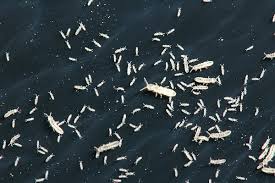
Springtail Culture Candida Folsomia Candida
$25.00
Full Description
Springtails are one of the most important microfauna in a bioactive vivarium, especially for dart frogs, geckos, amphibians, and reptiles. These tiny arthropods provide many essential benefits that help keep the ecosystem clean, balanced, and healthy.
Top Benefits of Springtails in a Bioactive Vivarium
1. Natural Clean-Up Crew (Detritivores)
-
They eat decaying organic matter, mold, fungi, shed skin, and leftover food.
-
This helps prevent buildup of waste and reduces the risk of bad bacteria.
2. Mold & Fungi Control
-
Springtails are especially good at consuming mold, which can quickly grow in humid environments.
-
This keeps your vivarium clean and visually appealing.
3. Break Down Animal Waste
-
They help break down animal feces and shed skin, which speeds up nutrient cycling.
-
This supports healthy plant growth and reduces odors.
4. Boost Soil Health
-
As they burrow and move through the substrate, they help aerate the soil, improving drainage and root health for live plants.
-
Their waste also adds nutrients to the soil, acting like a natural fertilizer.
5. Supplemental Food Source
-
Especially in dart frog vivariums, tiny springtails are eaten by froglets and small species like Ranitomeya.
-
This provides a continuous, low-effort live food source.
6. ️ Balance the Micro-Ecosystem
-
They help prevent pest outbreaks (like fungus gnats or harmful mold) by occupying the same ecological niche.
-
When combined with isopods, they help create a complete cleanup crew.
Summary Table
| Benefit | Description |
|---|---|
| Mold & fungus control | Keeps surfaces clean and healthy |
| Waste decomposition | Processes poop, leaf litter, and shed skin |
| Soil aeration | Helps plants grow better |
| Supplemental food | Tiny frogs and froglets will eat them |
| Pest prevention | Outcompete and prevent unwanted pests |
✅ Ideal For:
-
Dart frogs (e.g., Ranitomeya, Dendrobates)
-
Geckos (Crested, Mourning, etc.)
-
Tree frogs (White’s, Red-Eyed, etc.)
-
Invertebrates and isopod tanks
-
Any bioactive terrarium setup