
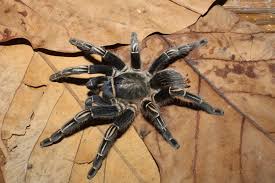
TARANTULA STRIPED KNEE 3 INCH (Aphonopelma seemanni)
$85.00
Full Description
Striped Knee Tarantula (Aphonopelma seemanni) Care Guide
Overview
The Striped Knee Tarantula is a striking and hardy species known for its bold black or dark brown body accented by creamy white stripes on its legs. Native to Central America, it is a terrestrial, burrowing species that makes a fascinating display animal. Its manageable size and resilience make it popular with both beginner and intermediate tarantula keepers.
-
Scientific Name: Aphonopelma seemanni
-
Common Name: Striped Knee Tarantula, Costa Rican Zebra Tarantula
-
Origin: Central America (Costa Rica, Honduras, Nicaragua)
-
Adult Size: 4–6 inches (10–15 cm)
-
Lifespan:
-
Females: 15–20 years
-
Males: 5–7 years
-
-
Temperament: Shy but skittish; may bolt quickly when startled
Enclosure Requirements
-
Tank Size: A 10–15 gallon terrarium works for an adult; floor space is more important than height.
-
Substrate: 4–6 inches of coconut fiber, peat moss, or soil to allow for burrowing. Keep slightly damp but never waterlogged.
-
Temperature: 72–80°F (22–27°C) – room temperature is often sufficient.
-
Humidity: 65–75%. Light misting once or twice a week; allow one side of the enclosure to remain dry for balance.
-
Ventilation: Essential to prevent mold growth.
-
Hide: Provide a cork bark tube, half log, or artificial cave.
-
Water: A shallow water dish should always be available with fresh, dechlorinated water.
Diet
Striped Knee Tarantulas are carnivorous hunters that feed on live prey.
-
Juveniles (3-inch size): Crickets, small roaches, mealworms
-
Adults: Large crickets, dubia roaches, superworms, the occasional small locust
-
Feeding Frequency:
-
Juveniles: 2–3 times per week
-
Adults: Once a week
-
-
Notes: Remove uneaten prey after 24 hours to prevent stress or injury.
Behavior & Temperament
-
Generally skittish rather than aggressive. They may dart into their burrow when disturbed.
-
Rarely flick hairs compared to some New World species, but it can occur if threatened.
-
Not recommended for frequent handling – they are fragile, and falls can be fatal.
Handling
-
Best kept as a display pet.
-
If handling is necessary, be extremely cautious, keep low to the ground, and never restrain the tarantula.
Special Notes
-
This species is a prolific burrower, so deeper substrate and hides are appreciated.
-
Females are very long-lived and make excellent display tarantulas for years to come.
-
Provide a stress-free environment with minimal disturbance for best health.
✅ Summary:
The Striped Knee Tarantula (Aphonopelma seemanni) is a hardy, eye-catching species with striking leg striping and a long lifespan. With a simple setup, proper humidity, and a steady diet of live feeders, this tarantula thrives as a low-maintenance display pet, making it an excellent choice for enthusiasts of all experience levels.